
Blat Byblos – The church of St Elias

St Elias Church, Blat, Lebanon

Other Details

كنيسة مار الياس

Blat Jbeil

Jbeil

Mount Lebanon

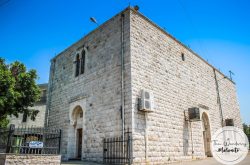
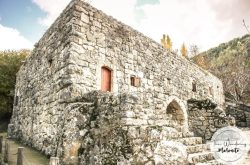
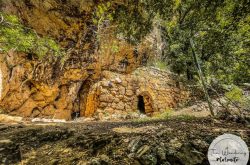
كنيسة مار الياس - بلاط جبيل الكنيسة في الأساس مبنيّة بحجارة معبدٍ رومانيّ بُني في زمان الإمبراطور انطونان التقيّ كما تشير النقوش اليونانيّة على جدرانها. تحوي الكنيسة على عدّة آثار من المعبد القديم كتمثال صنمٍ في آخرها. في القرون الوسطى تزيّنت الكنيسة بمجموعة من الجداريّات ما زال قسمٌ منها ماثل. الكنيسة كناية عن بناء بنمط بازيليكيّ بثلاث أسواقٍ وعقدٍ سريريّ. في عهد المماليك إستُعملت هذه الكنيسة كخانٍ للمُسافرين، وفي بداية العهد العُثماني إستُعملت إسطبلاً للخيل في قسمٍ منها، وفي القسم الآخر أُنشئت معصرة للزيتون. وآلت ملكيتها لمشايخ آل حمادة الشيعة. وفي أوآخر القرن الثامن عشر قَدَمَ الشيخ وهبه الدحداح الأول من كسروان وإستملك بلاط، فَحوَّل الإسطبل الذي أصبح من أملاكه الى كنيسة على إسم مار الياس وأعاد ترميمها، فكرَّسها المطران يوسف المريض في 4 كانون الأول ١٨٧٠. وفي العام ١٩١٩ ضربتها صاعقة، فأعاد الشيخ إسكندر كنعان وهبه الدحداح ترميمها. وفي العام ١٩٧٨ قامت المديريّة العامّة للآثار بترميمها على الشكل الذي تقوم عليه الآن. تضمّ الكنيسة لوحةً لمار الياس من عمل كنعان ديب الدلبتاوي. The church of St Elias - Blat Byblos The church was built with the spolias of an ancient roman temple built during the reign of the emperor Antoninus the pious. The church holds many remanences of the temple : greek inscriptions and an idol. The church’s structure is a three naved basilical plan with a crib vault. It used to be covered with frescoes some of them can be seen today. During the Mamluk’s era the church was converted into a caravanserai. Later on it was converted into a stable and an olive pressing mill and remained so during the Ottoman era when it became property of the Shia lords of the Hemade family. The church was bought by the Sheikh Wehbe el Dahdah when he came from Kesserwan and bought the village of Blat. The church was reconsecrated and dedicated to the Saint Elias the Prophet by bishop Youssef el Marid of the 4th of december 1870. It was damaged by a lightning stroke and restored in 1919 by Sheikh Kanaan Wehbe Dahdah. The church was renovated by the Lebanese Directorate General of Antiquities in 1978. The church holds a painting of Elias by Kanaan Dib.

Visited 4911 times, 5 Visits today

Reviews are disabled, but trackbacks and pingbacks are open.

Related Listings

Annaya – The monastery of St Maroun

Monastery Saint Maroun, Aannaya, Lebanon

دير مار مارون

AAnaya

Jbeil

Mount Lebanon

دير مار مارون - عنّايا
دير للرهبانيّة اللّبنانيّة المارونيّة إنتهى العمل من بنائه سنة ١٨٢٨. وبين سنتي ١٨٣٨ و١٨٤١ أُكمِل بناء الكنيسة وجميع الأقبية. هو دير مارونيّ تقليديّ بجميع أقسامه من حوش ومضافة وكنيسة صغيرة. إشتهر الدّير لأنّه مقام القدّيس شربل مخلوف الذي حوّله إلى محجّ ومزار.

The monastery of St Maroun Annaya
A monastery for the Lebanese Maronite Order built in 1828. The church and the vaults were completed between 1838 and 1841. It is a traditional maronite monastery with its vaults, cloister, reception room and small church. It was made famous by being the resting place of St Charbel Makhlouf who transformed it into a pilgrimage site.

Kfarhay – The monastery of St John Maroun

Mar Youhanna Maroun, Lebanon

دير مار يوحنّا مارون

Kfar Hay

Batroun

North

دير مار يوحنّا مارون - كفرحي

يروي التقليد أنّ القدّيس يوحنّا مارون، بنى الدير على أنقاض بيتٍ سكنه العبّاد يوم سيم اسقفًا على البترون في العام ٦٧٦، ونقل إليه هامة مار مارون وسمّاه ريش موران أي رأس مارون، وجعله كرسيّه بعد انتخابه بطريركًا سنة ٦٨٥. أقام في الدّير، البطاركة الموارنة المتعاقبون إلى دانيال الشاماتي. آل الدّير إلى الخراب بعد أن دمّره يوسف سيفا سنة ١٦٣٤. أعاد بناؤه البطريرك يوسف أسطفان سنة ١٧٨٧ وكرّسه على إسم مار يوحنّا مارون، وجعل فيه مدرسةً لتعليم الأحداث ما لبثت أن تحوّلت لإكليريكيّة سنة ١٨١٨ بأمر البطريرك يوحنّا الحلو. الديّر اليوم كرسيّ أساقفة البترون، وهو الشاهد على تاريخ الموارنة في لبنان.

The monastery of St John Maroun - Kfarhay

According to tradition, St John Maroun built the first monastery when he was the bishop of Batroun in 676 over a hermitage, and brought to it the holy relic of the forehead of St Maroun and named it Rish Moran or the head of St Maroun. He made the monastery his patriarcal seat when he was elected in 685. The succeeding patriarchs lived in the monastery until Daniel el Shamaty. The monastery was destroyed by Youssef Sayfa in 1634.
Patriarch Youssef Estfen rebuilt it with a school and consecrated it to St John Maroun, the school was transformed into a seminary in 1818 by a decree of Patriarch Youhanna el Helo.
The monastery is now the seat of the bishops of Batroun, and the witness to the Maronite history.

Batroun – St Stephen’s cathedral

Saint Stephen Cathedral, 1400، Batroun, Lebanon

كاتدرائيّة مار اسطفان

Batroun

Batroun

North

كاتدرائيّة مار اسطفان - البترون

بُنيت كاتدرائية مار أسطفان على أنقاض كنيسةٍ أقدم عهدًا سنة ١٩١٠، يوم كانت المدينة في أوجّ نموّها. تتميّز الكاتدرائيّة أنّها تجمع الطراز النيوكلاسيكيّ والنيوبيزطيّ. مبنيّة على نمطٍ بازيليكيّ بثلاث أسواقٍ تنتهي بثلاث حنايا وفيها ثلاث مذابح. تحوي الكنيسة كرسيّ الأسقف، لوحة غربيّة الصنع لمار أسطفان، بيما للوعظ، وجرن للعماد ذات قبّة. واجهتها الغربيّة تطلّ على المرفأ وتتميّز بقبابها التي يتوسطها تمثال مار اسطفان.

St Stephen’s cathedral - Batroun

The cathedral was built over an older church in 1910, during the city’s economical peak. The chuch combines neoclassical and neo Byzantine styles, according to a basilical plan with three naves and three semi circular apses with altars. The cathedral holds the episcopal chair, a western painting of St Stephen, a pulpit, and a western style domed baptisimal font. The western facade of the church overlooks the city’s port, with two domes ans St Stephen’s statue between them.